
Montale e il male di vivere
Montale and the pain of living
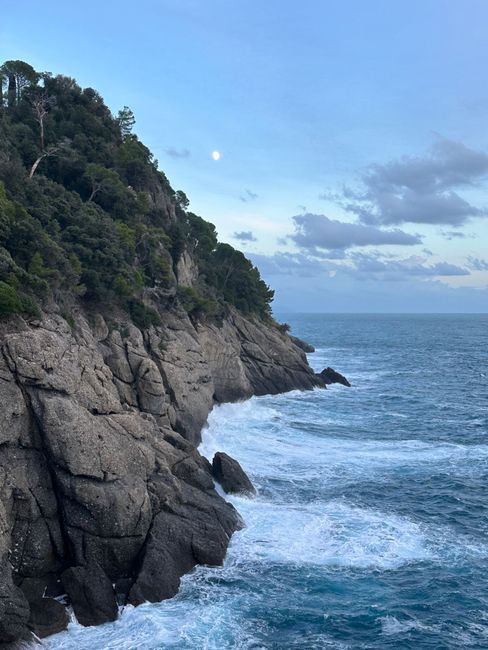
Among the rocks of the Ligurian, where the sea smooths the bones of the cuttlefish down to make them white and brittle, Eugenio Montale found the metaphor central of his first collection.
The «cuttlefish of bones» are remnants of what once was alive: an image perfect of a self emptied out that endures stubbornly to resist.

Read it with audio, tap any word, keep the ones you want to remember.
10 minutes a day free · no card needed
Montale published the collection in 1925, in a climate cultural dominated by the nationalism fascist and by the triumphalist rhetoric.
Choosing in that context the path of aridity, of the fragment, of the harsh landscape scorched by the sun was already an act of resistance.
The concept that most has struck Italian readers Italian is that of the «pain of living»: a pain dull and diffuse which has no has cause identifiable, nor remedy.
It is not the about the pessimism Romantic of Leopardi, who still bathed bathed in the beauty of the memory. In Montale there is no there is no consolation: only the clear-eyed grasp lucid of what is is.
The celebrated poem Meriggiare pallido e assorto describes a man resting at rests in the shade of a hedge of thorns in the noon heat summer.
The dryness of the landscape — the cracks in the earth, the brambles, the blinding light dazzling — becomes an projection outward of an inner state interior.
The conclusion of the poem is unambiguous: «and walking on into the sun that dazzles to feel with sad wonder how all of life is life and its its travail in this keeping on going along a wall that has on top at the top shards of glass».
Montale won the Nobel Prize Nobel for the literature in 1975. But his his greatness does not lie lie in recognition academic, but in the capacity of naming with precision what most poetry most most of the poetry prefers to leave unsaid: the fatal opacity of things.