
La nascita dell'italiano
The birth of Italian
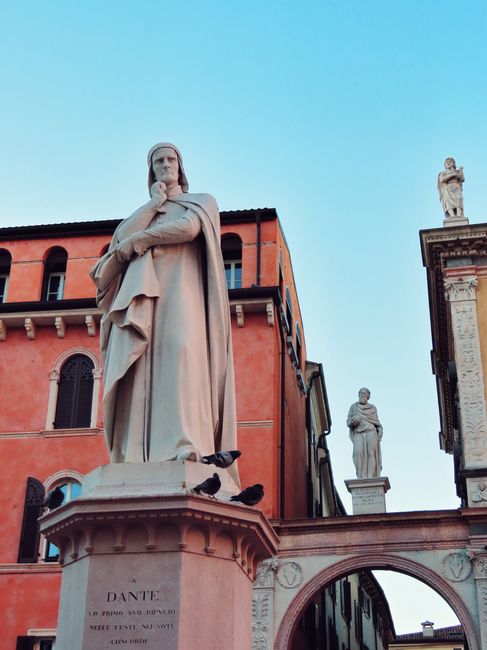
When the Roman Empire Roman of the West collapsed in 476 AD, the Latin did not disappear: it transformed. Mixed with the languages of the peoples that invaded the peninsula — Goths, Lombards, Saracens — the Latin vulgar became something of different in every region.
The first texts written in the vernacular Italian date back to the ninth century. The most most ancient is the Placito of Cassino, a legal document legal from 960 in which which a witness swears in a language that is no longer is any longer Latin but not yet yet Italian.

Read it with audio, tap any word, keep the ones you want to remember.
10 minutes a day free · no card needed
The real real turning point came in the thirteenth century with the Sicilian School Sicilian at the court of Frederick II II. For the first time, poets from different regions wrote in the same same language literary.
But it was Dante Alighieri who gave to the language Italian the its certificate of birth definitive. By choosing to write the Comedy in the vernacular Florentine instead of in Latin, Dante carried out a act revolutionary.
The multiplicity of dialects remained however a given fact structural of the peninsula for centuries. Even at at the moment of Unification, in 1861, it is estimated estimated that only about two per cent of the population used Italian in everyday life daily.
It was the television, which arrived in Italian homes Italian in the years fifties, to complete what that Dante had begun begun seven hundred years before: making of the Italians a people that spoke the same language.