
La commedia dell'arte
The commedia dell'arte
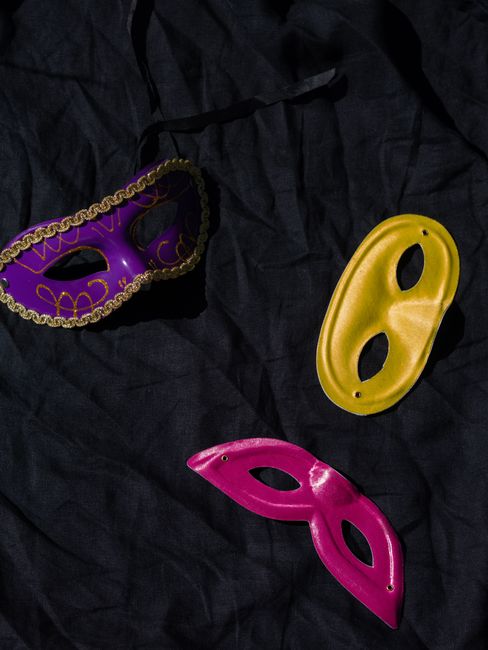
Around the middle of the sixteenth century, in the squares of the cities of northern north Italy, began to appear appear troupes of actors wandering who performed from a payment.
The novelty was radical: no there was a written text written to be memorised, but only a scenario, a outline narrative of broad brushstrokes within which of which which the actors actors improvised.

Read it with audio, tap any word, keep the ones you want to remember.
10 minutes a day free · no card needed
The characters were fixed and recognisable by the audience thanks to their their masks and costumes. Harlequin was the servant cunning and acrobatic; Pantalone the old merchant miserly; the Doctor the pedantic impostor.
The troupes travelled across all of Europe, bringing with them the their scenarios and their their masks. In France they became the Comédie-Italienne and influenced deeply Molière.
The body of the actor was the instrument primary. Since the mask covered the face, emotion had to be communicated communicated through the gesture, the posture and the rhythm of the movement.
The commedia dell'arte dell'arte has never has ever really disappeared. It can can be found again in the physical comedy clownish of Chaplin, in the lazzi of Buster Keaton and in the structure narrative of every sitcom modern.