
Una passeggiata sotto i portici
A walk under the porticoes
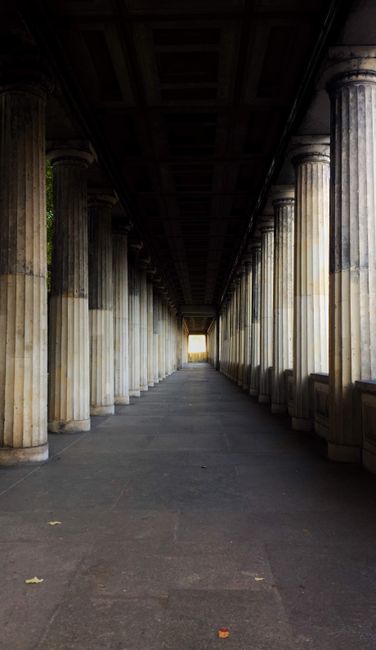
Marta had not returned to Bologna for ten years. When the train itself has stopped at the station central, she has gotten off slowly, with a suitcase small in hand. The air of October was cool but warm, and the sky had that color rosy which she remembered well.
She had studied literature at the university between the ages of nineteen and the ages of twenty-two years old. Back then she lived in a room in via Mascarella, with other three girls. Her her bed was narrow, the window looked out at onto a courtyard interior, but she was happy. She had her own space, the her books, and a city whole to discover.

Read it with audio, tap any word, keep the ones you want to remember.
10 minutes a day free · no card needed
She has left the suitcase at the hotel and she went out right away. She wanted to walk, to feel again again the rhythm of the city. Bologna is famous for its its porticoes, forty kilometers of arches that cover the streets of the center. When it rains, you do not yourself get wet ever. Marta has taken via dell'Indipendenza, toward Piazza Maggiore.
It was everything the same and everything different. The bookshops that she remembered no longer were there more, but others of them had been born, and the cafes had changed the names but not their character. She has stopped in front of the window of a deli on via Drapperie, where the tortellini made by hand were laid out in rows perfect.
In Piazza Maggiore, she has found the usual students seated on the steps of the crescentone. They talked, smoked, laughed. They seemed the same students from ten years ago, only with the smartphones in hand. A girl was laughing loudly, and Marta has thought that also she used to laugh like that, a time.
At the sunset, she climbed to the top of the Tower of the Asinelli. The steps were still narrow and steep, and she has had to stop two times to catch her breath. But when she arrived at the top, everything was worth the trouble. The roofs red of Bologna themselves stretched all the way to the hills, and the sun them painted orange.
For dinner, Marta has chosen an old tavern on via Pescherie. She has sat down at a a small table in the back and has ordered tagliatelle with ragu and a glass of Sangiovese. While she waited, she has watched the people around her: a couple elderly who ate in silence, two friends who argued about politics, a family with three children tired.
When she left, it was by now late. The porticoes were empty, the lights yellow created shadows long on the walls ancient. Marta has walked slowly toward the hotel, passing near the old building where once upon a time she lived. She has stopped a moment under the doorway, has raised her gaze toward the windows of the second floor. One was lit. Someone, now, lived there. Marta has smiled, has lowered her gaze, and has returned to walk.