
Il design italiano nel mondo
Italian design in the world
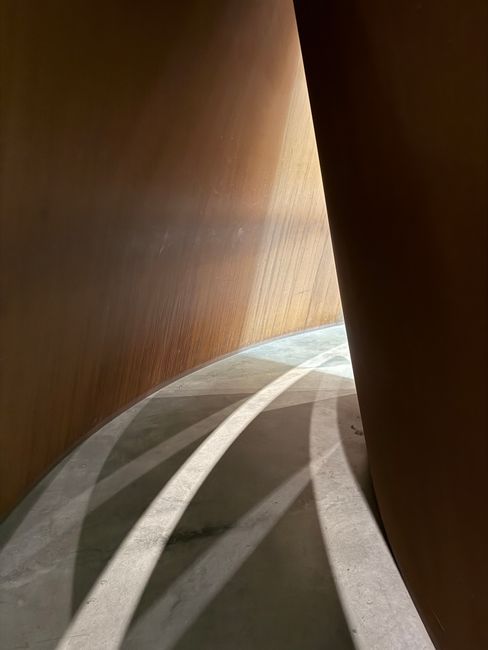
When one talks of design Italian, not one means only a object beautiful. One means a way of thinking that transforms the objects everyday into experiences.
In the years Fifties, Italy was emerging from the war with factories destroyed but with an craftsmanship age-old. Designers like Gio Ponti and Bruno Munari understood that the reconstruction demanded not only efficiency, but also dignity aesthetic.

Read it with audio, tap any word, keep the ones you want to remember.
10 minutes a day free · no card needed
The Vespa, designed in 1946 by Corradino D'Ascanio, became the symbol of the freedom postwar. Not was only a vehicle: was a promise of mobility and modernity for everyone.
The concept Italian of "good appearance" permeates every aspect of the project, from the chair to the coffee maker. Even the Moka pot by Alfonso Bialetti, born in 1933, is exhibited at the MoMA of New York as a masterpiece of design industrial.
Today, brands like Alessi, Kartell and Cassina continue to export this vision around the world. The Salone del Mobile of Milan remains the fair most important in the sector, attracting every year hundreds of thousands of professionals from all over the world.
What that distinguishes the design Italian is perhaps the ability to dialogue with the history without being prisoner. An craftsman from Murano who blows the glass with techniques centuries-old and a architect Milanese who designs a skyscraper futuristic share the same obsession: the perfection of the form.