
L'alluvione di Firenze
The flood of Florence
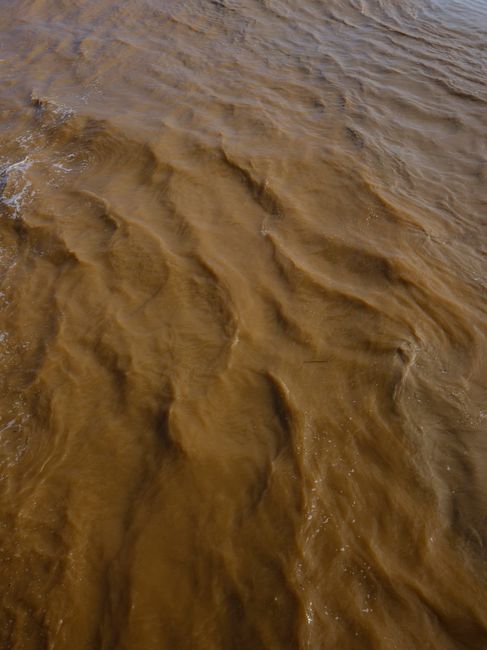
On the fourth of November of 1966, Florence itself woke up under an rain that had not stopped for days. The Arno, the river that crosses the center of the city, had risen in a way that no one ever had ever seen. No one believed that could happen something of so serious.
At dawn, the water had already broken the banks. A tide brown, charged with mud and of fuel oil, invaded the streets of the center. The cars were dragged away like they were boats. The families who lived on the floors low climbed to the top floors, bringing only what that they could in their arms.

Read it with audio, tap any word, keep the ones you want to remember.
10 minutes a day free · no card needed
The damage was not was only human. Florence was one of the cities most rich in art in the world, and many museums, libraries and churches themselves were located near the river. In the National Library, thousands of books ancient were submerged. In the Baptistery, the doors of the Ghiberti were damaged. The Crucifix by Cimabue, in Santa Croce, was ruined in a way irreparable.
But what that remained in the memory of the world was not was only the disaster. It was the response. In the days following, hundreds of young people arrived in Florence from all Italy and from abroad. They were students, above all, who wanted to help to save the books, the paintings, the statues. They called them the « angels of the mud ».
They worked in conditions difficult. The water was cold, the mud stank of petroleum, and there was not there was electricity in many libraries. Yet, they went forward, convinced that every book saved was a victory. They cleaned the pages one by one, them dried, them treated as if they were newborns.
Anna Berti, who then had twenty years, was come from Pisa by train. She studied history of art, and could not could believe that the works that she studied in books were now in danger. When she arrived, she slept in a school transformed into a dormitory. She worked for three weeks without earning a lira, but she said that it was the work most important of her her life.
The government, at first, responded slowly. The president Saragat arrived only after three days, and many Florentines him criticized harshly. It was said that the population was been abandoned, that the money did not arrive, that the homes remained empty because no one had anyone to them help. It was the volunteers, not the State, who saved the city.
Sixty years later, the signs of the flood are still visible. On the walls of the center there are still the plaques that indicate the level reached by the water: often they are at the height of a man, at times more up. Walking near the Arno, you realize yourself of how fragile was everything, and of how still it is.
Today, many of those « angels of the mud » have become old. When they return to Florence, they tell the their stories to the young who listen incredulous. A city is not made made only of its its monuments, they say, but of the people who decide to save it. And Florence, still today, remembers.